KICK OFF YOUR COLLECTION
How it works
Collecting 101.
Discover The Brands
Learn the brands, box types, and what each format is built for.
View details
Discover The Brands
Learn the brands, box types, and what each format is built for.
View detailsBefore you dive in, you need to know what you're getting into. Get familiar with the brands first.


Learn What You Can Collect
Compare boxes, packs, and different product tiers available.
View details
Learn What You Can Collect
Compare boxes, packs, and different product tiers available.
View detailsFrom retail blasters to high-end hobby boxes, discover the right price point for your collection goals.
Uncover What You Can Pull
Understand refractors, numbered parallels, and elite case hits.
View details
Uncover What You Can Pull
Understand refractors, numbered parallels, and elite case hits.
View detailsLearn about the scarcity of numbered cards, the shine of refractors, and the massive value of rare case hits.
Explore Card Breaks
Understand how spots work before you join a live break.
View details
Explore Card Breaks
Understand how spots work before you join a live break.
View detailsLearn how a break works and why it's the smartest way to hunt for elite cards without opening a full case.
Pick What You Liked Most
Find the right product, whether it's a sealed box, a pack, or a
break spot.
View details
Pick What You Liked Most
Find the right product, whether it's a sealed box, a pack, or a break spot.
View detailsOnce you know your options, pick a pack, box, or break spot. Crack it open yourself or watch the breaker rip your spot live.
Build Your Collection
Grow your set, chase the big hits, and keep the cards you pull.
View details
Build Your Collection
Grow your set, chase the big hits, and keep the cards you pull.
View detailsFrom rookie cards to elite 1/1 case hits, every card you pull is yours to keep. Build a collection that matters and share your big wins with the community.
WHAT CAN
YOU COLLECT?
Boxes available from Topps and Panini, explained.
Blaster Box
Cheapest entry point. Toughest odds: a numbered card is maybe 1 in 8–12 boxes, a big hit is very rare. You're ripping for fun. But Topps retail has been unreal lately. Even a blaster can absolutely go BOOM.
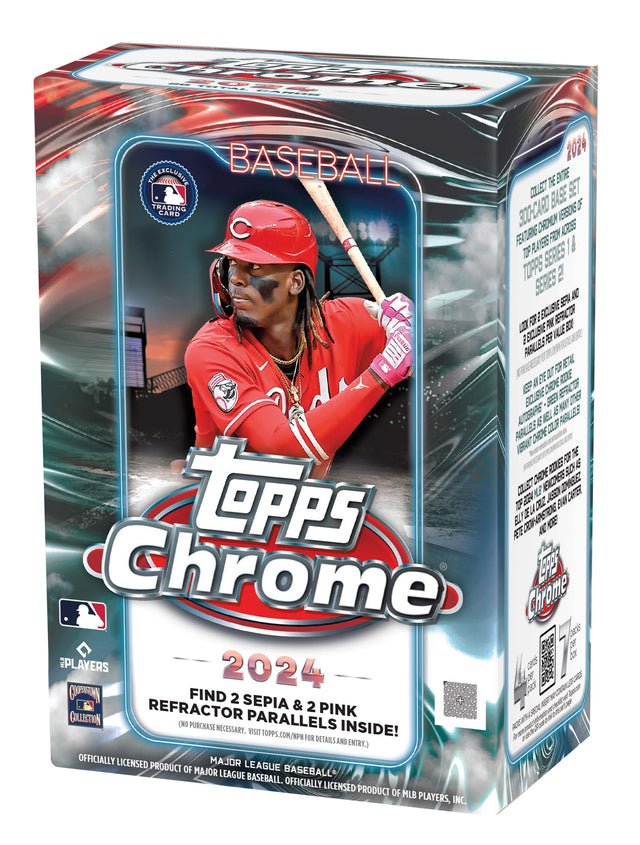
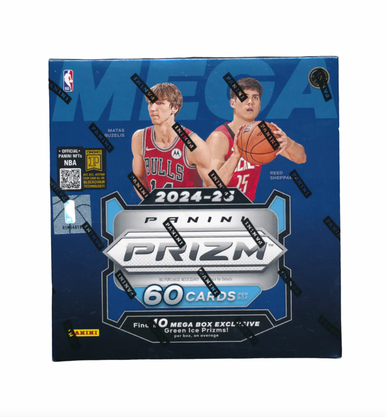
Mega Box
More packs than a blaster, slightly better odds. A numbered card around 1 in 6–10 boxes. Still retail, just a bit more juice. You can still pull numbered cards, case hits, even a Superfractor 1/1.
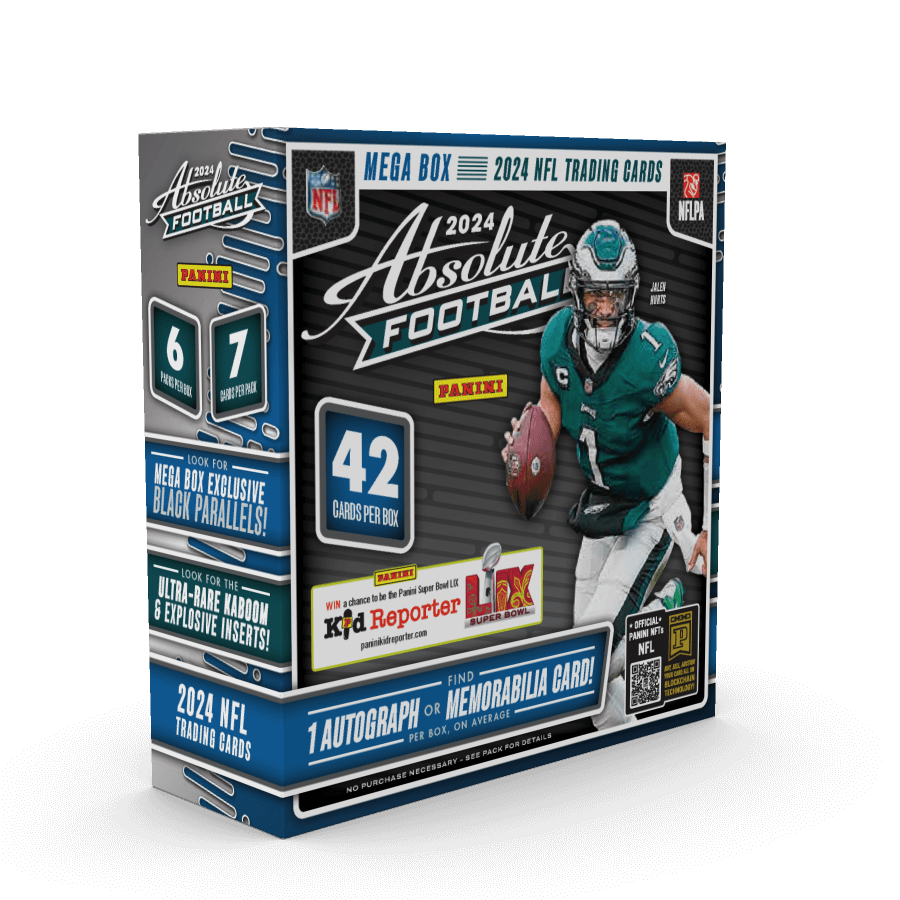
Hanger Box
Small box or single large pack. Often delivers strong value per dollar spent.
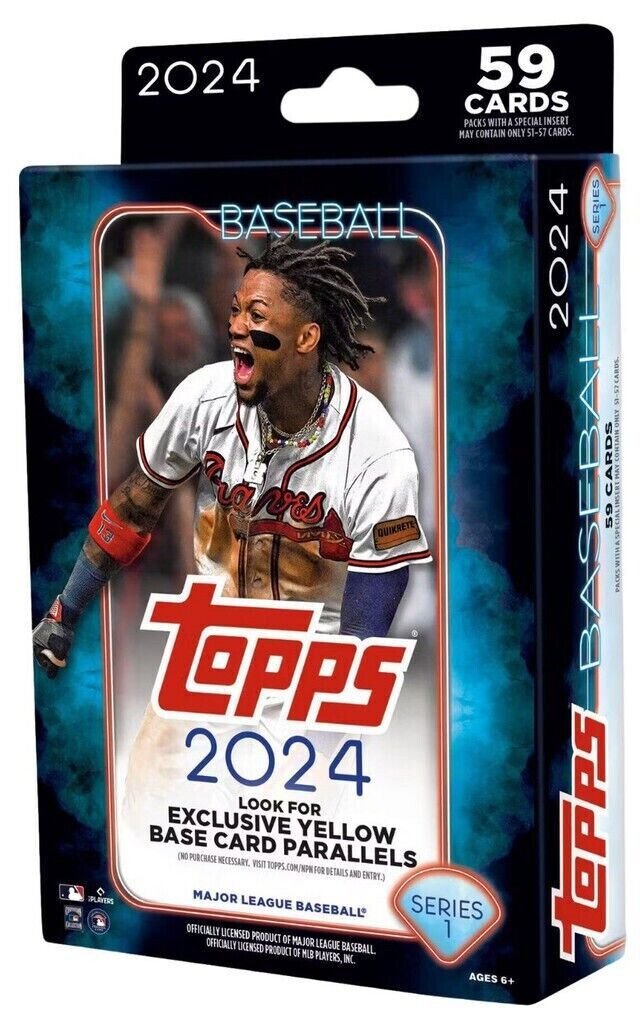
Value / Fat Pack
One thick pack with more cards than usual, often with a bonus parallel pack.
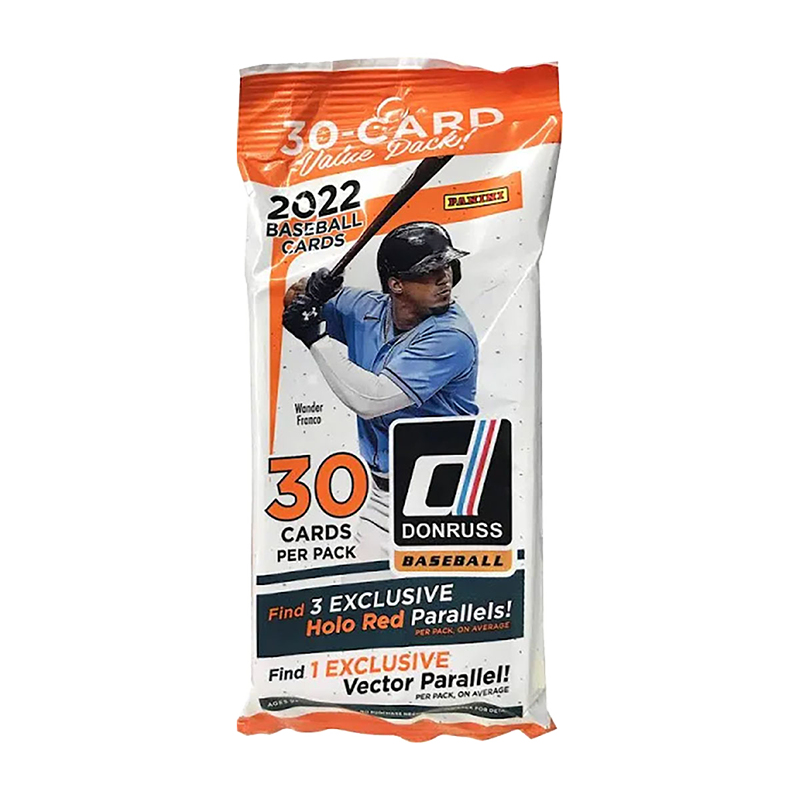
Retail Box
Larger retail box with multiple packs. No guaranteed hits. Pure base card hunting.
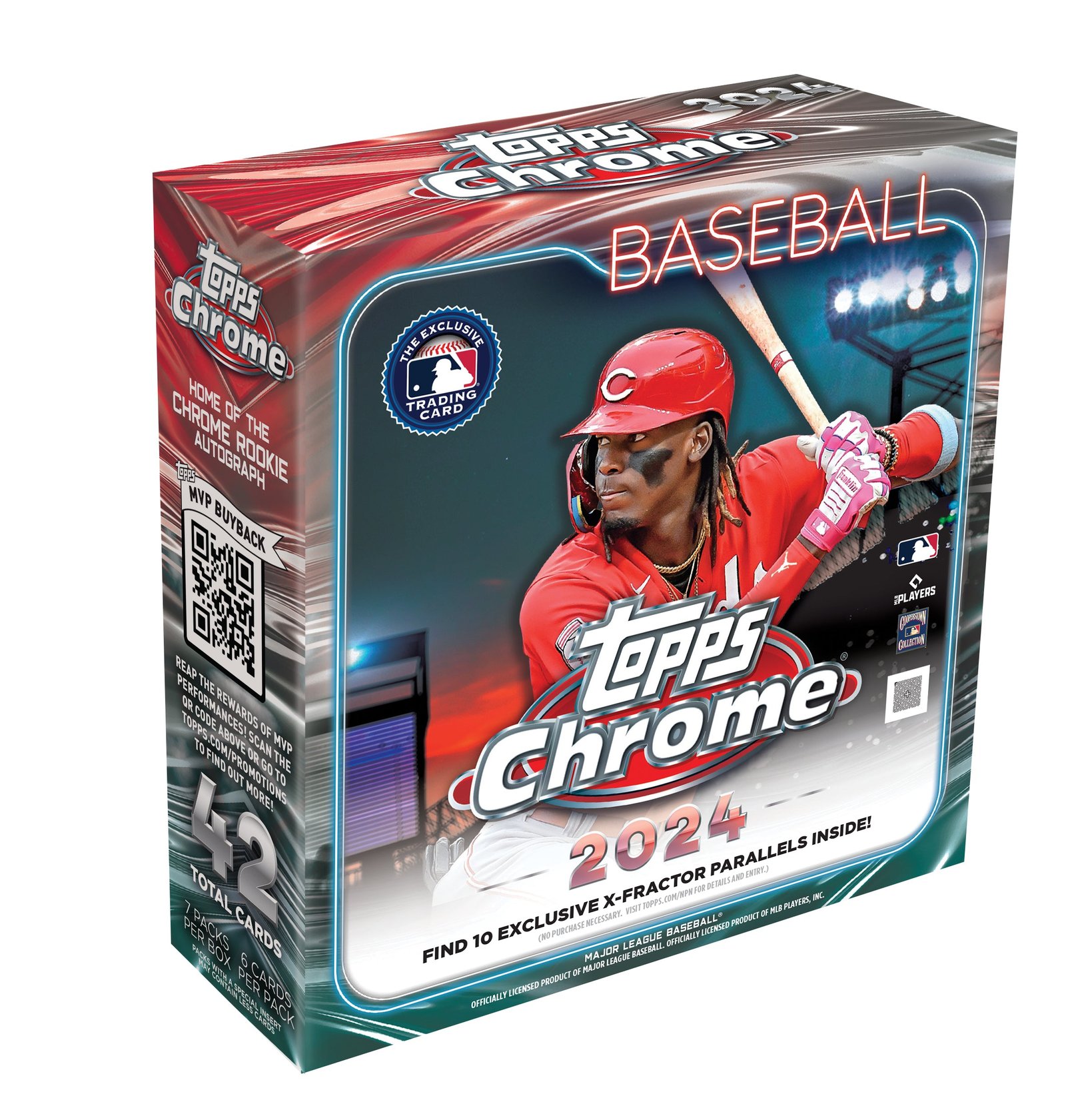
Hobby Box
Now we're serious. Usually 1 auto guaranteed per box, plus a few numbered cards. You're EXPECTING to hit something, but it still has to be the right player. A random auto is not the same as a superstar.
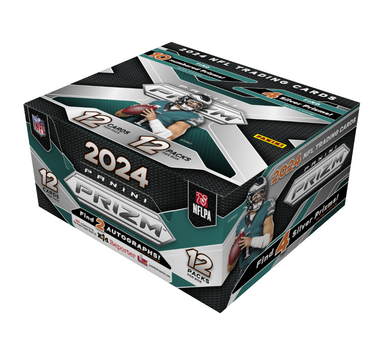
Jumbo Hobby Box
The big boy. Around 3 autos per box, plenty of numbered cards. You WILL hit something, but you still need the right player, the right card, the right numbering. More hits doesn't always mean more value.
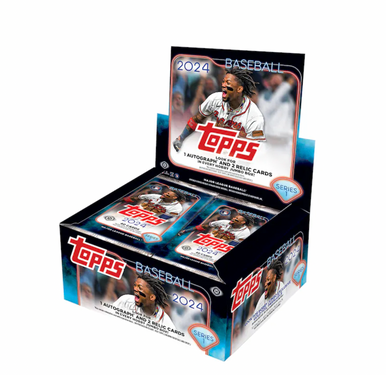
Hobby Lite
A more affordable hobby entry point. No guaranteed hits but exclusive hobby parallels.
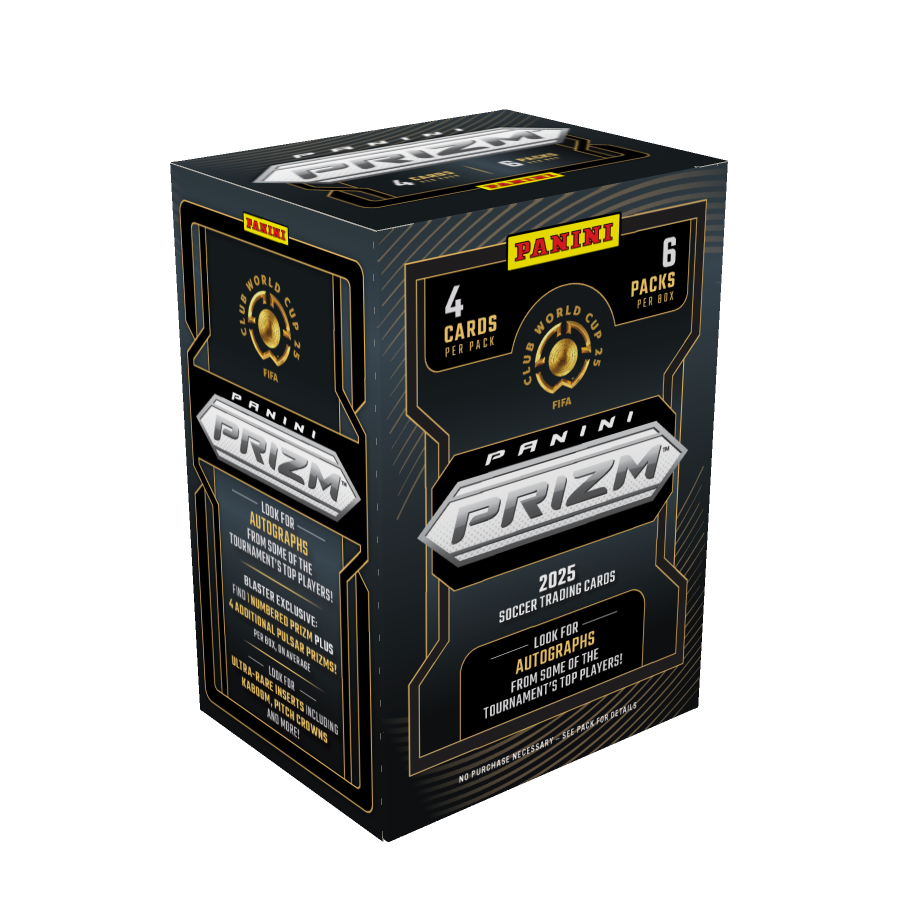
First Off The Line
The early release version. Comes with exclusive FOTL-only shimmer parallels. Panini.
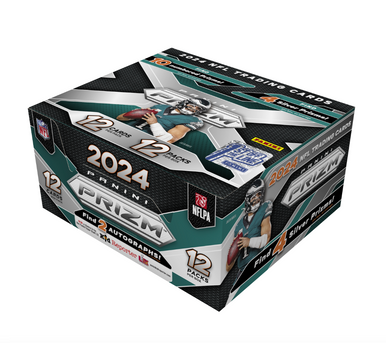
Choice Box
Fewer cards per box but a higher concentration of autos and parallels. Panini.
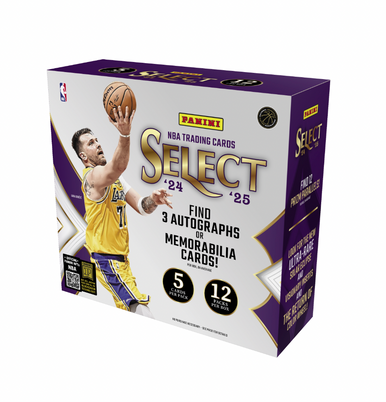
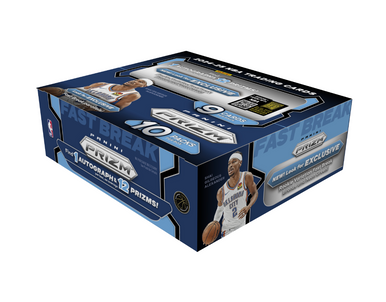
Fast Break Box
Exclusive Fast Break prism parallel system. Sits mid-tier between retail and hobby.
Premium Hobby Box
Very few cards per box. Every card is a high-end hit: patch autos, low-numbered.
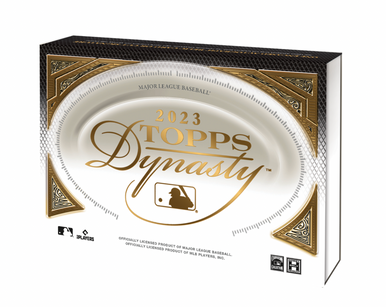
Ultra-Premium Box
Briefcase-style packaging. Only 1 to 10 cards inside. Pure high roller territory.
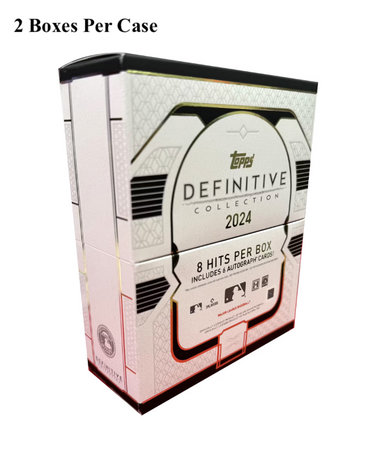
One-Touch / Encased
Cards arrive already protected or encased. The most collector-ready format available.
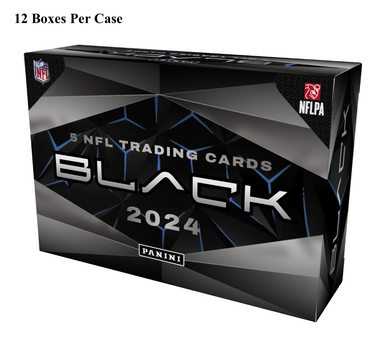
Factory Set
The complete base set in one box, sometimes paired with bonus exclusive inserts.
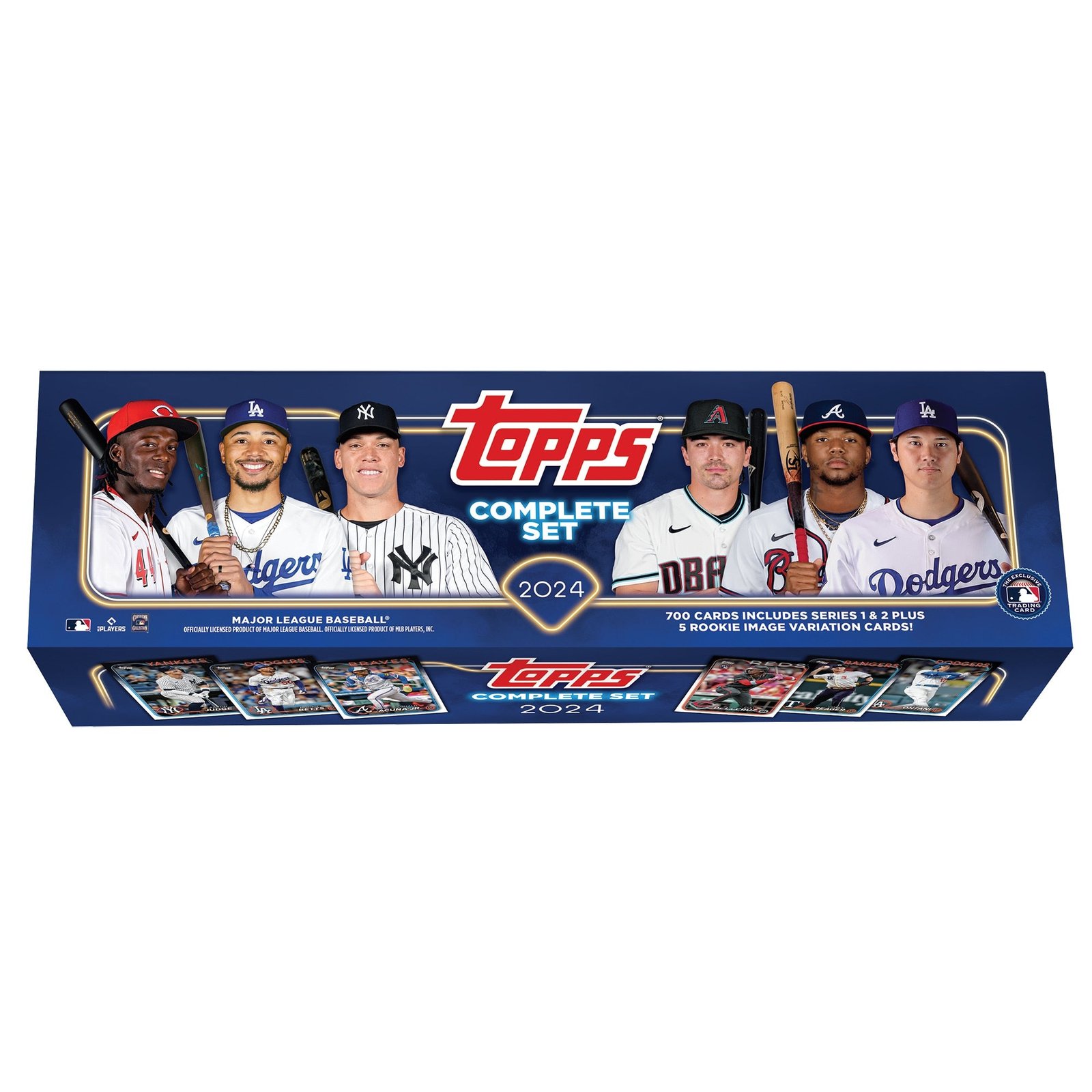
Box Set
A curated subset of cards. No random packs. Just a defined, themed selection.
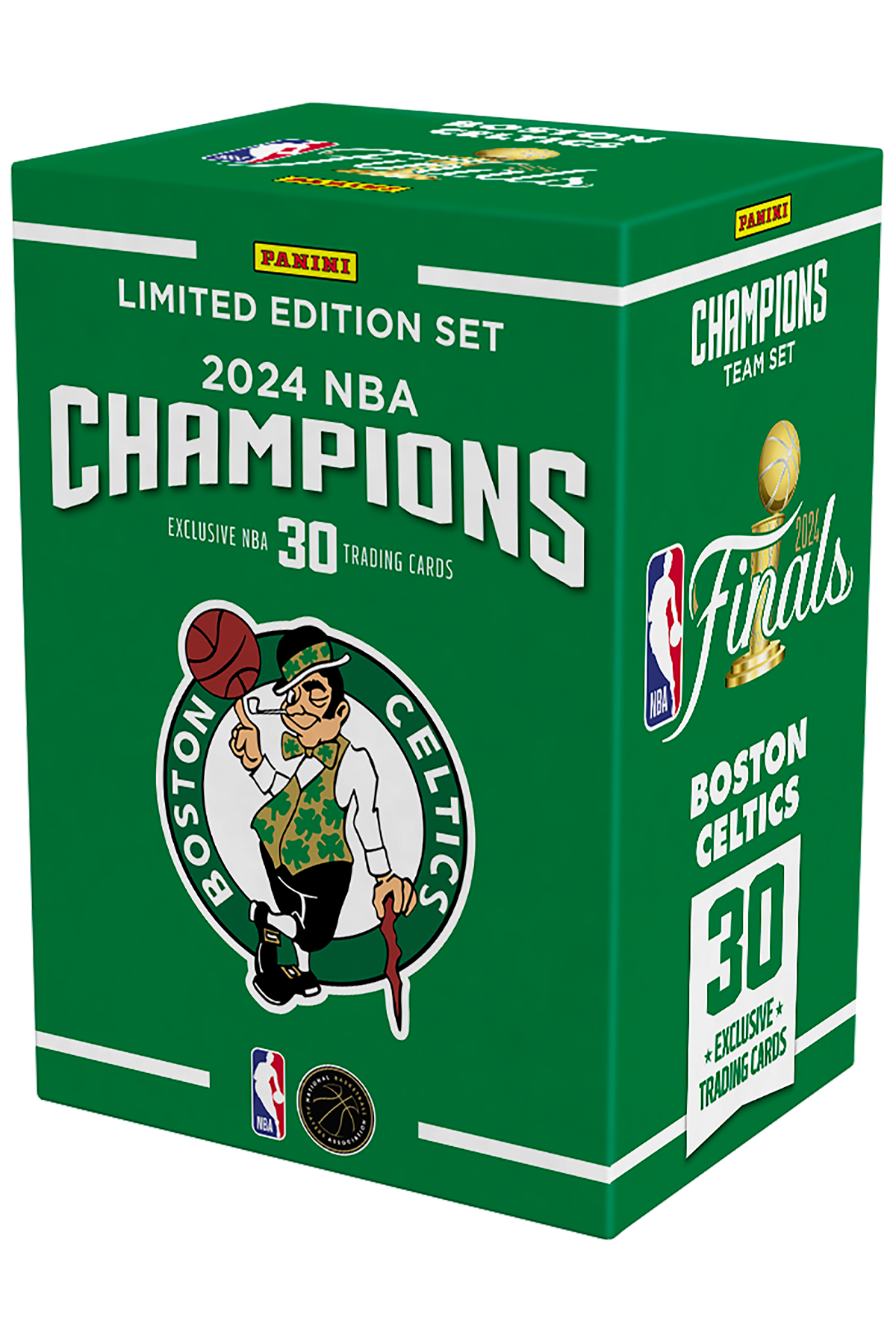
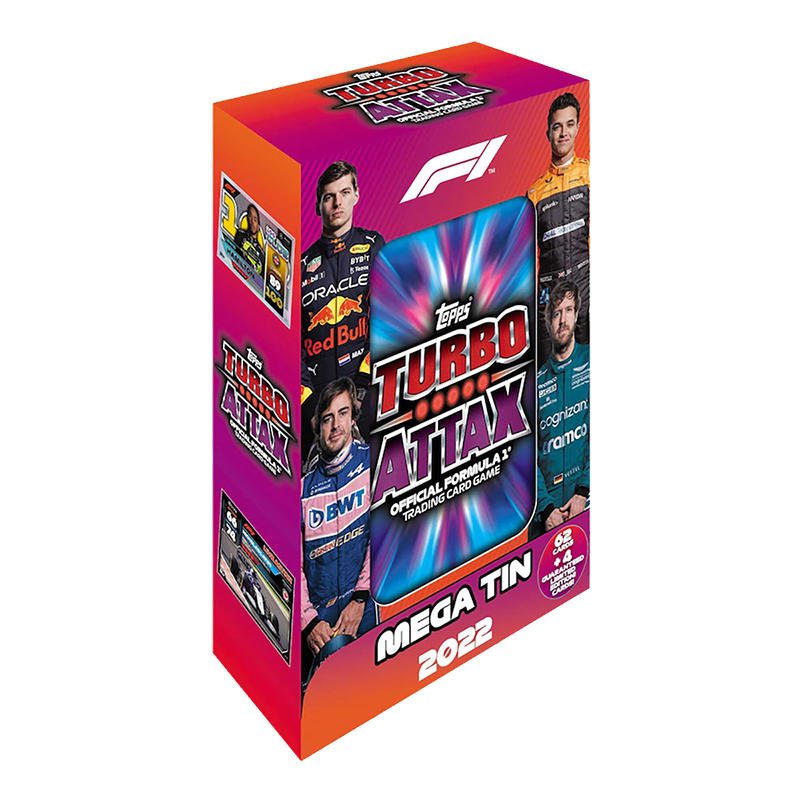
Tin Box
Metal collectible packaging with a standard retail format inside. Great gift item.
Case
Multiple boxes bundled as one unit, e.g. 12 hobby boxes. The breaker's go-to format.
WHAT CAN
YOU PULL?
Every card type you can pull, explained.
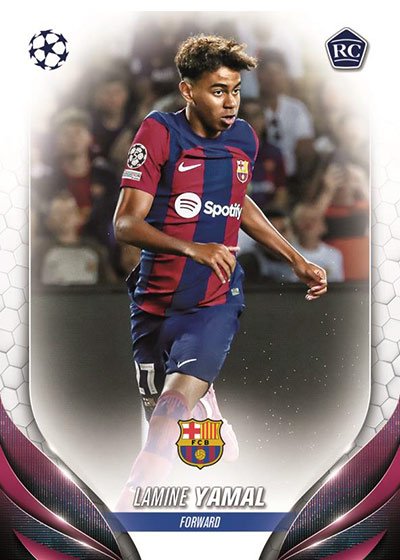
Rookie Cards (RC)
A rookie card is one of a player's first officially licensed cards from their debut professional season. Collectors chase rookies hard because a star early in their career can explode in value. Think first-year stars, young prospects, future legends.
Base Cards
The standard cards in every set. Most common, featuring every player on the checklist. High print run, but a star rookie base card can still hold serious value. The foundation every collection is built on.
Inserts
Special themed bonus cards seeded into packs alongside base cards. Unique designs, lower print runs, and distinct subsets: Future Stars, Legends, Fireworks, Team Cards. Think of them as bonus chase cards.
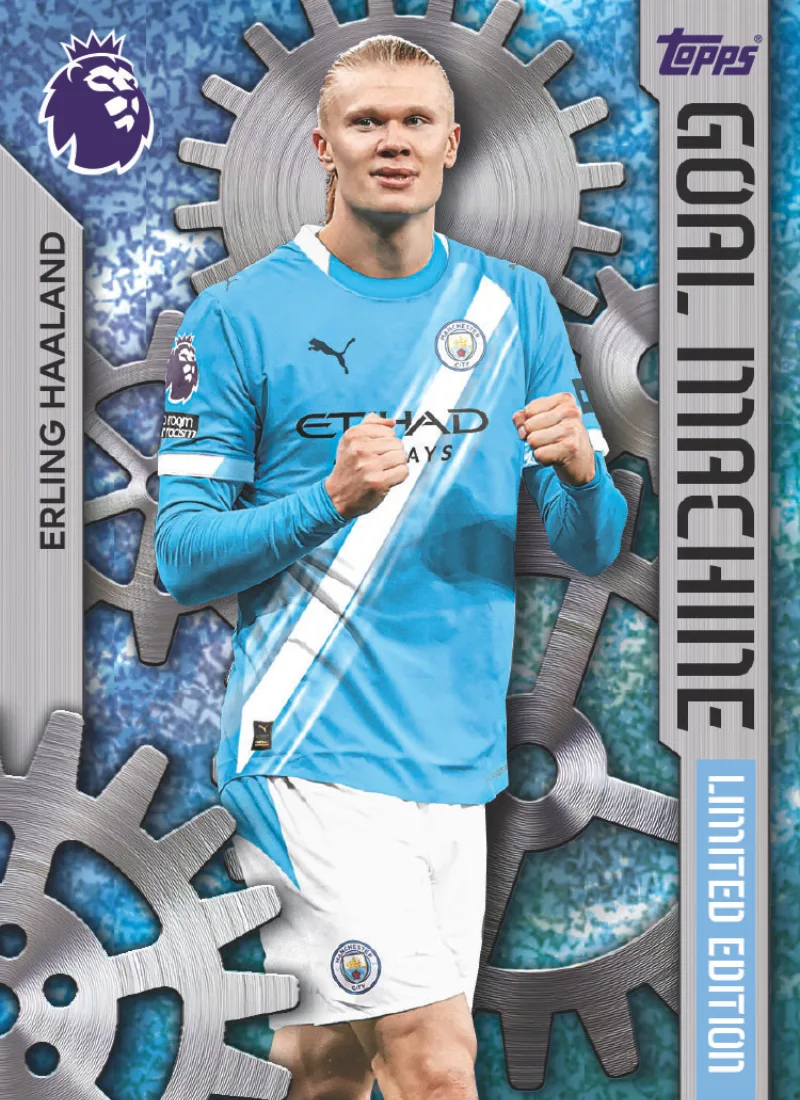
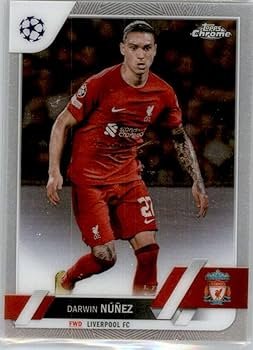
Refractors / Chrome Parallels
Shiny, reflective versions of cards where light bounces off in chrome or rainbow colors. Topps Chrome and Prizm are the kings of this format. More collectible than base and often command a premium.
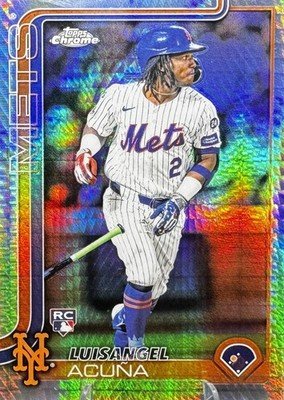
Numbered Parallels
Cards serial-stamped with a limited print run. /299 means 299 made. /99 is rarer. /10 is very rare. 1/1 is the only one in existence. The lower the number, the higher the demand. Scarcity creates value.
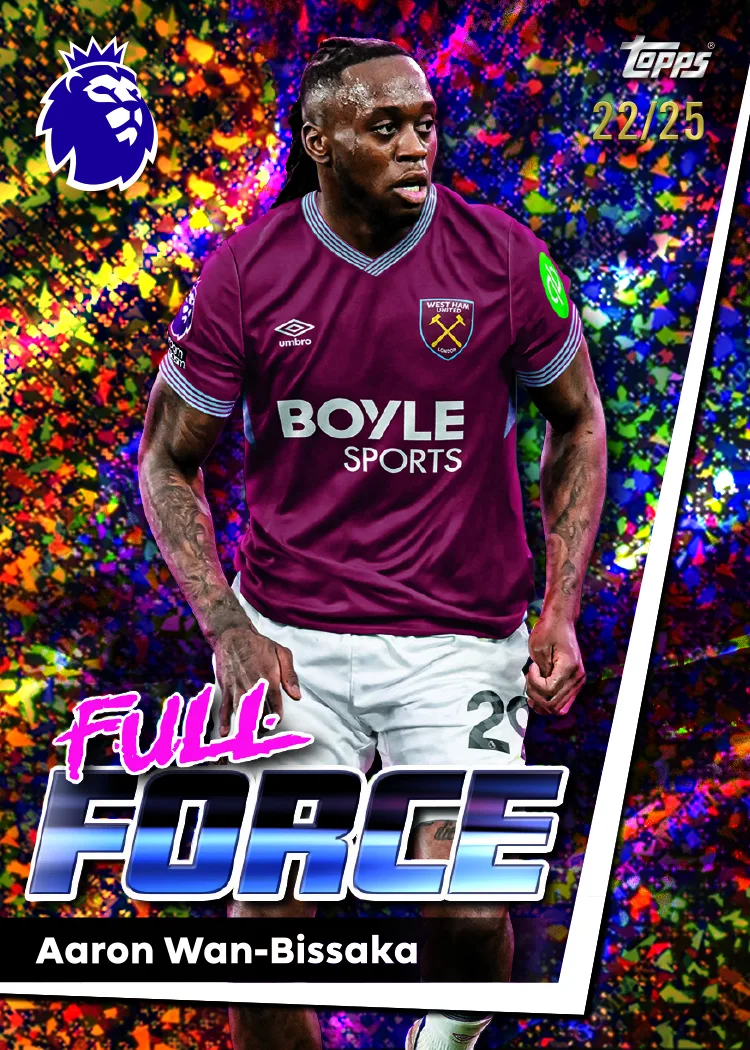
SSP / Case Hits
SSP stands for Super Short Print, extremely hard-to-pull chase cards. A case hit typically appears roughly once per sealed case of multiple boxes. Think Kaboom, Downtown, Color Blast. These are the big chase cards everyone wants.

Sticker Autos
Autographs where the athlete signs a sticker sheet beforehand, which is then applied onto the card. Real certified signature, delivered via sticker. More common across many products and still highly collectible.
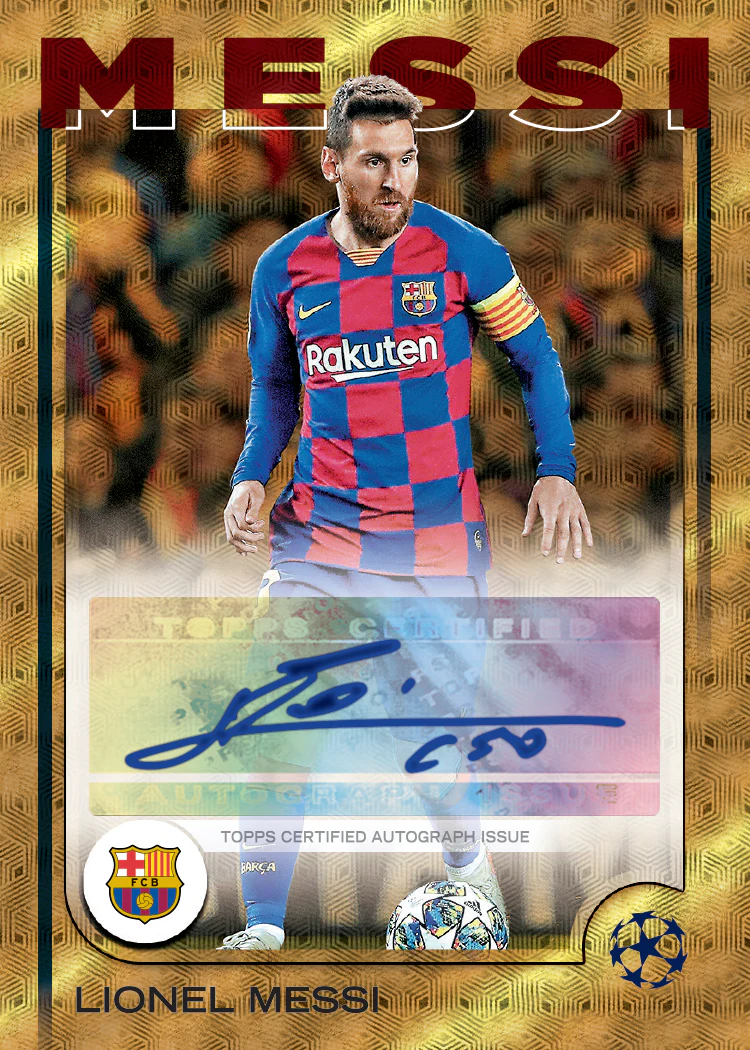
On-Card Autos
The athlete signs directly on the card surface itself. Cleaner, more premium, and preferred by most collectors. Harder to produce, which makes them rarer. The gold standard for autographs in the hobby.
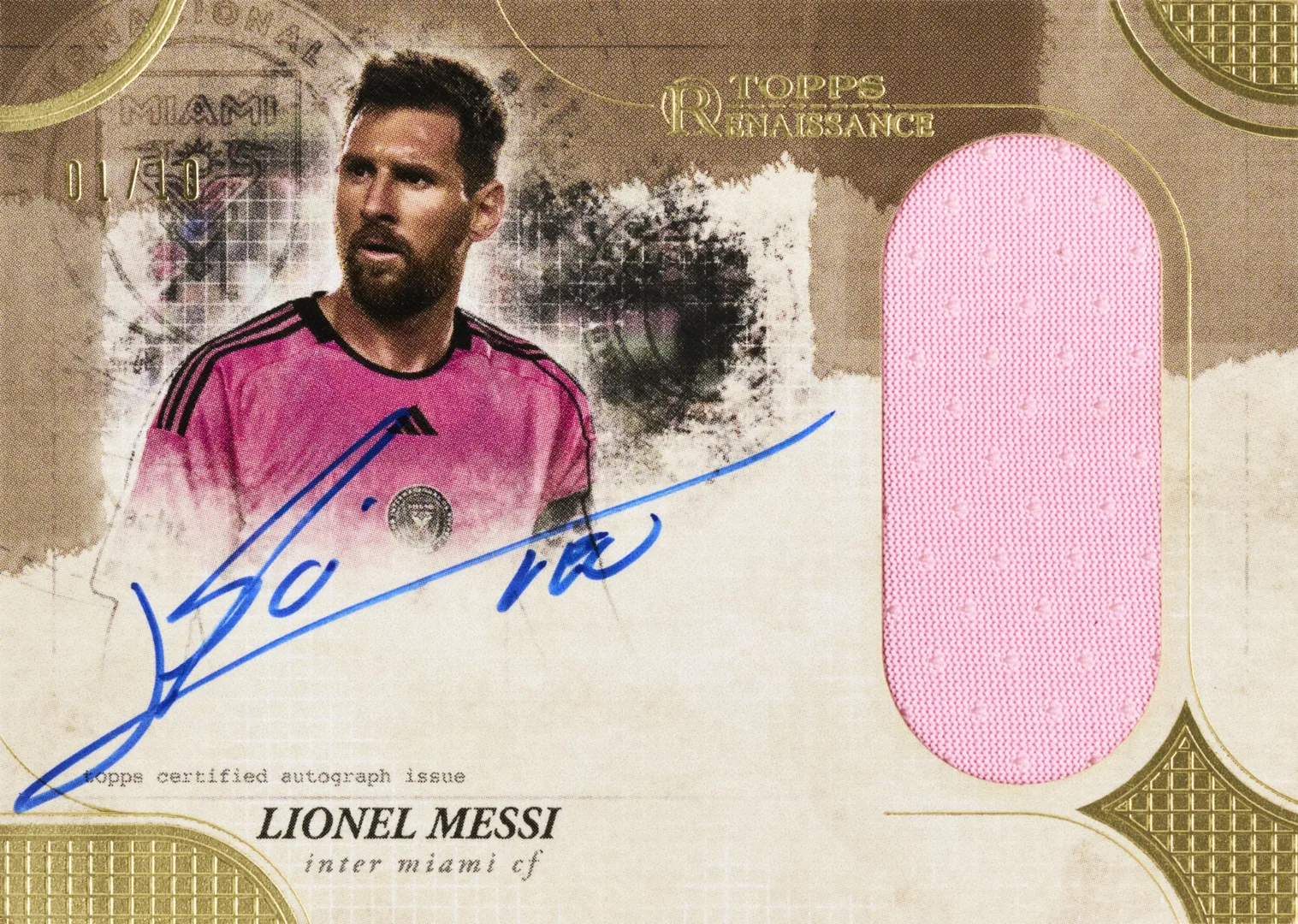
Memorabilia Cards
Cards embedded with a real piece of sports gear: jersey, patch, shorts, glove, and more. Player-worn material from actual games is the most valuable. Some products use non-game-worn material, so check the label.

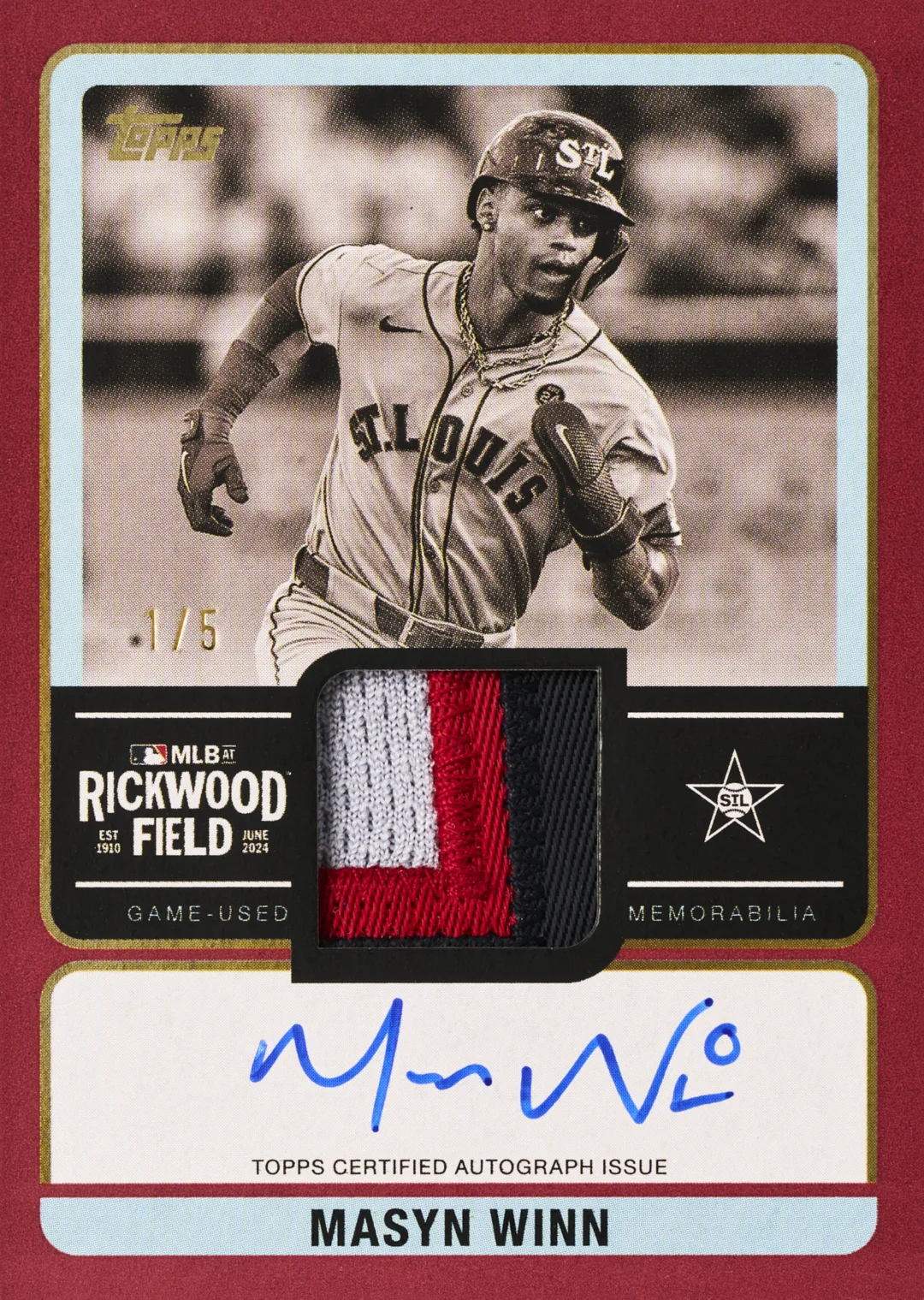
Patch Auto
The top-tier hit. A premium card combining a multi-color patch piece, a certified autograph, and usually a rookie player. RPA stands for Rookie Patch Auto. The most desirable card type in most modern products.
WHAT IS A
CARD BREAK?
Think of it as a communal unboxing. High-end boxes of sports cards can be very expensive. In a break, multiple collectors split the cost of a box or case by claiming "spots."
If you claim the "Real Madrid" spot in a soccer break, you get every single Real Madrid card pulled from those boxes. It makes elite collecting affordable and exciting.